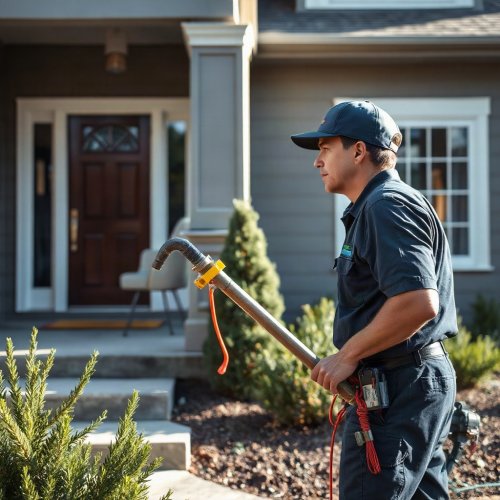
{{ $json.selected_topic }} | New Orleans Master Plumber Guide
Master plumber guide to diagnosing, triaging, and repairing {{ $json.selected_topic }} in New Orleans historic and modern properties safely.


Understanding {{ $json.selected_topic }} in New Orleans Properties
When dealing with {{ $json.selected_topic }} in the unique climate and geologic conditions of New Orleans, understanding the underlying physical mechanics is vital to preventing property damage. Whether your property is a historic raised shotgun house in Uptown or a modern slab-on-grade build in Lakeview, plumbing issues require precise diagnostics before any tools come out of the truck. This guide covers the physical system mechanics, overlooked trade insights, safe homeowner triage boundaries, and realistic repair decision support.
Water intrusion, pressure loss, or drainage failure rarely happens by coincidence. In our high groundwater table, shifting alluvial soils, and humid climate, plumbing infrastructure undergoes unique stresses. Diagnosing the root cause involves isolating whether the issue is isolated to a single fixture, affecting a branch line, or stemming from the main building sewer line.
Physical Mechanics and Diagnostic Boundaries
Every plumbing system operates on predictable laws of gravity, hydraulic pressure, and atmospheric venting. When a failure occurs, tracing the physical path of water or waste helps pinpoint the defect. For instance, supply lines rely on static pressure (measured in pounds per square inch, or PSI) and dynamic flow rate (gallons per minute, or GPM). When multiple fixtures operate simultaneously, friction loss within aged galvanized or corroded copper pipes can cause a severe drop in dynamic flow, even if static pressure gauges read normally.
Drainage systems, conversely, rely entirely on gravity and negative pressure protection provided by vent stacks. If a vent stack becomes obstructed by bird nests, leaves, or scale buildup, it creates an airlock. This vacuum effect stalls wastewater movement, causing slow drains, gurgling traps, and sewer gas odors that easily mimic a physical clog deep within the line. Establishing whether an issue is localized to a fixture trap, a secondary branch line, or the main sanitary sewer is the first critical diagnostic step.
Overlooked Trade Secrets and Regional Realities
Experienced field plumbers working in Orleans Parish and Jefferson Parish know that standard DIY manuals miss several critical regional variables. Consider these trade insights:
- Gravity Runs and Joist Tracking: Water leaking from an overhead supply line or roof penetration rarely pools directly beneath the breach. Water follows the path of least resistance along floor joists and subflooring, often emerging several feet away from the actual damage point.
- Chemical Cleaners and Cast-Iron Pipes: Many historic New Orleans homes retain original cast-iron drain stacks. Pouring corrosive acid-based chemical clog removers into these vintage pipes accelerates interior wall degradation, leading to sudden structural collapses.
- Alluvial Soil Movement: New Orleans sits on compressible deltaic soils. Seasonal moisture fluctuations cause the soil to shrink and swell, putting immense shear stress on underground cast-iron, clay, or brittle PVC sewer laterals.
- Temporary Snaking Illusion: Clearing a recurring backup with a standard hand auger often only punches a small hole through root intrusion or grease buildup. Without a camera inspection, homeowners frequently mistake temporary drainage restoration for a permanent fix.
Safe Homeowner Triage vs. Dangerous DIY Boundaries
Knowing when to intervene and when to step back prevents personal injury and catastrophic property damage. Here is how to navigate an active plumbing event safely.
Safe Homeowner Triage Steps
- Locate and test your main indoor water shutoff valve (typically located near the water heater or where the main line enters the crawlspace).
- Use food coloring dye tests in toilet tanks to check for silent flapper leaks without dismantling mechanical components.
- Monitor your property water meter when all fixtures are closed to detect hidden low-flow supply leaks.
- Visually inspect accessible cleanouts in basements or pier-and-beam spaces for exterior seepage.
Explicit Safety Warnings
- Never unthread a sewer cleanout cap if you suspect a major downstream blockage under liquid head pressure; sudden release of raw sewage and trapped methane can cause severe injury.
- Never touch gas flex lines or attempt DIY gas appliance repairs.
- Never enter flooded crawlspaces or basements containing standing water until the main electrical breaker for the structure has been confirmed shut off by utility professionals.
Realistic Repair Approaches and Decision Support
When addressing {{ $json.selected_topic }}, repair methodologies vary depending on pipe material, accessibility, and structural engineering constraints. The table below outlines common diagnostic symptoms against realistic professional repair methodologies.
| Diagnostic Symptom | Probable Root Cause | Realistic Repair Approach |
|---|---|---|
| Frequent recurring backups in ground-floor fixtures | Root intrusion or broken underground lateral sewer pipe | Video camera inspection followed by sectional pipe replacement or trenchless lining |
| Localized moisture staining on historic plaster ceilings | Pin-hole leak in supply line running along ceiling joists | Accessing cavity, cutting out compromised pipe section, and installing a press-fit or soldered sleeve |
| Sudden drop in hot water pressure at all fixtures | Severe mineral sediment accumulation in tank or supply inlet check valve | Flushing tank or replacing blocked inlet nipples and thermal expansion components |
| Foul sewer odors escaping floor drains during dry spells | Dried-out trap seals due to lack of evaporation replenishment | Priming traps with water and checking auxiliary vent integrity |
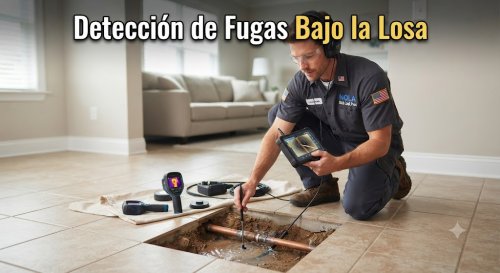
When evaluating repair estimates in New Orleans, factor in logistical realities such as pier-and-beam crawlspace clearance constraints, slab foundation concrete excavation requirements, local municipal permitting rules, and emergency dispatch logistics during severe weather events.
Frequently Asked Questions
1. How can I distinguish between a localized fixture clog and a main sewer line blockage?
If only one fixture (such as a single sink or toilet) drains slowly or backs up, the issue is isolated to that fixture's trap or branch line. If multiple fixtures on different floors or rooms (such as a toilet bubbling when a shower drains) experience simultaneous issues, the obstruction is located in the main building sewer line or the primary vent stack.
2. Why does my water pressure drop significantly when someone flushes a toilet or runs the washing machine?
This typically indicates undersized or heavily corroded supply piping (such as old galvanized steel) that restricts dynamic flow rate. As water demand increases across multiple outlets, the restricted pipe diameter cannot deliver sufficient volume at adequate pressure, starving active fixtures.
3. Are chemical drain cleaners safe to use in historic New Orleans homes?
No. Most historic New Orleans homes feature aging cast-iron or fragile vintage drainage systems. Caustic or acid-based chemical cleaners generate extreme exothermic heat and chemical reactions that accelerate pipe wall corrosion, leading to premature structural failure and expensive pipe collapses.
4. What should I do immediately if a pipe bursts in a raised shotgun house or slab home?
Immediately locate and shut off the main water supply valve to stop the flow. For homes with crawlspaces, the valve is usually underneath or near the perimeter wall entry point. For slab homes, it is typically located in an outdoor meter box near the street. Once water is off, open downstream faucets to drain residual pressure and clear standing lines.
5. How does the high water table in New Orleans affect underground plumbing?
The exceptionally high water table and saturated alluvial soils exert constant hydrostatic pressure on underground drainage and sewer lines. When pipes shift, settle, or develop hairline cracks, surrounding groundwater and soil infiltrate the system, causing chronic root intrusion, structural joint separation, and progressive soil erosion beneath foundations.
6. Is a camera inspection necessary before repairing a recurring drainage issue?
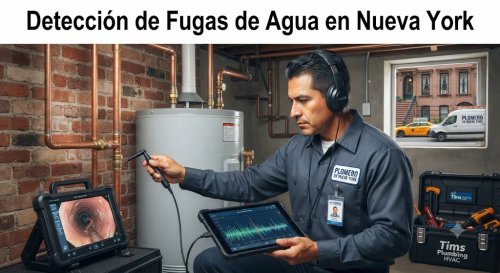
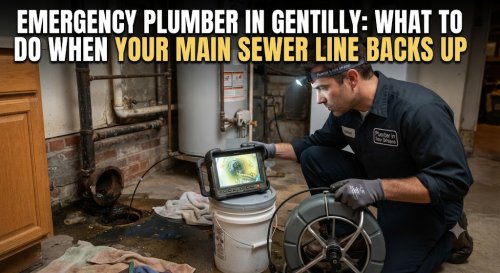
Yes. A high-resolution sewer camera inspection visually verifies the exact structural condition, grade, and location of the defect (such as a belly, offset joint, or root intrusion), eliminating guesswork and ensuring that the chosen repair method addresses the true root cause rather than just treating superficial symptoms.